
Bear(s) spotted in Lake Asbury
Properties on Arthur Moore near Johns Street, have recently spotted a bear in their yards. Bears have been spotted in the South Lake area over the past year or so.
The presence of bears is not necessarily a problem or a threat to your safety. But it is important to remember that bears are wild animals and deserve respect. If you are not careful, you could break the law and risk both your safety and the bear’s.
It is illegal to intentionally place food out to attract bears and cause conflicts. Anything that attracts dogs, cats or raccoons will also attract bears!
 If a Bear Comes into your yard make sure you are in a safe area, and the bear has a clear escape route, then SCARE THAT BEAR! You want to let the bear know it is not welcome in your yard, so from a safe location, scare it away by yelling, banging pots and pans, using an air horn, or anything else that makes a lot of noise.
If you see or suspect that someone is feeding or attracting bears, please call FWC on the Wildlife Alert Hotline at 888-404-3922 – or contact FWC on-line.
 Nutria
Nutria have been spotted in the North and South Lakes. The concern is that they will cause damage to our dams. So, the Florida Fish and Wildlife Conservation Commission (FWC) have been contacted to deal with disposal of these invasive rodents.Nutria Facts: Nutria (Myocastor coypus) aren’t rats, but this South American wetland-dwelling rodent certainly looks like a rat with its long reddish teeth, twitchy whiskers, and round tail with little hair on it, although it’s more closely related to a porcupine or a capybara. Nutria can grow up to 2.5 feet long — not counting the foot-long tail — and weigh in at a husky 20 pounds. Nutria can be social animals and sometimes live in large colonies, reproducing prolifically. Females have two or three litters a year, consisting of five to seven young. These animals mature quickly and remain with their mothers for a month or two. In some areas, booming nutria populations have become troublesome.What do they do with all that raw rodent power? Well, they destroy wetlands and crops, cause soil erosion with their burrows, damage human-engineered flood control systems, and spread disease. FWC has declared a year round open season on Nutria, similar to the open season on opossums, raccoons, and coyotes. With that in mind, and to ensure the integrity of our dams, our goal is to reduce/eliminate the population in Lake Asbury.
Alligator – Nuisance:
Call 866-FWC-GATOR (866-392-4286)
Staying Safe: How to Report Nuisance Alligators in Our Neighborhood
Living in our beautiful neighborhood means sharing our surroundings with various wildlife, including alligators. While these creatures are a natural part of our environment, there are times when they may become a concern, particularly if they appear in areas where people and pets frequent. In such cases, it’s important to know how to handle the situation safely and responsibly.
What Is a Nuisance Alligator?
A nuisance alligator is typically defined as one that is at least four feet in length and poses a threat to people, pets, or property. This could include an alligator that is showing aggressive behavior, approaching humans, or lingering in residential areas, such as backyards, community pools, or near playgrounds.
Why It’s Important to Report
While alligators are generally not a threat if left alone, a nuisance alligator can pose significant risks. Reporting these sightings helps protect our community and ensures that the alligator is handled in a manner that is safe for both residents and the animal.
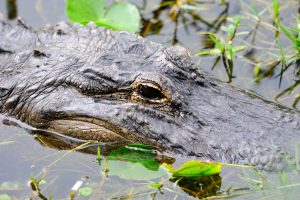
How to Report a Nuisance Alligator:
If you encounter an alligator that you believe may be a nuisance, please follow these steps:
- Do Not Approach: Keep a safe distance. Do not attempt to feed, harass, or interact with the
alligator in any way. - Contact Authorities: Report the sighting directly to the appropriate wildlife management
agency. In our area, you can report a nuisance alligator by calling 866-FWC-GATOR (866-392-
4286). - Important: You must have seen the alligator yourself to make the report. The wildlife authorities
will not accept information from anyone who did not personally witness the gator. - Granting Access: Be aware that if a trapper is dispatched, they will require your permission to
enter your property to safely capture the alligator. Ensuring they have access is crucial to
resolving the situation effectively. - Stay Safe and Informed by staying vigilant and reporting nuisance alligators, we can help ensure our neighborhood remains safe for everyone. Remember, safety is a shared responsibility, and your prompt action can make a big difference.Thank you for helping to keep our community